

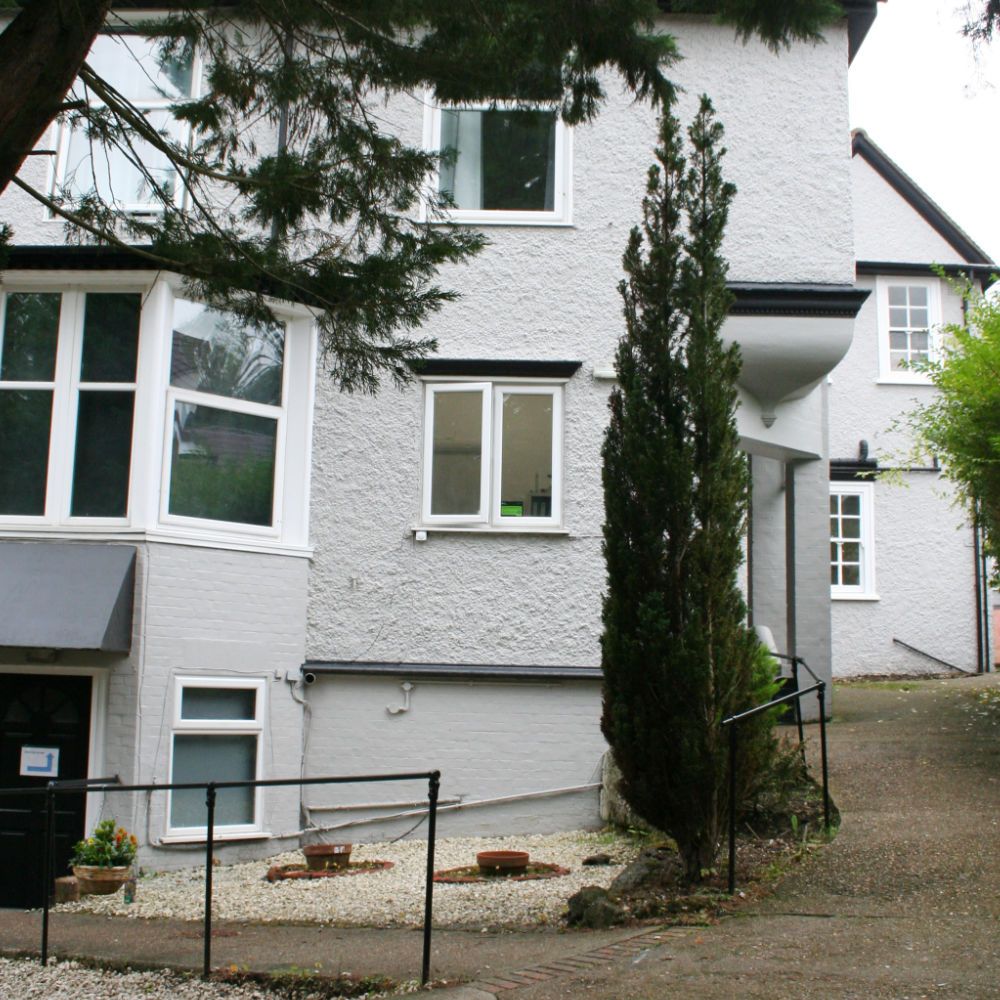
Our approach
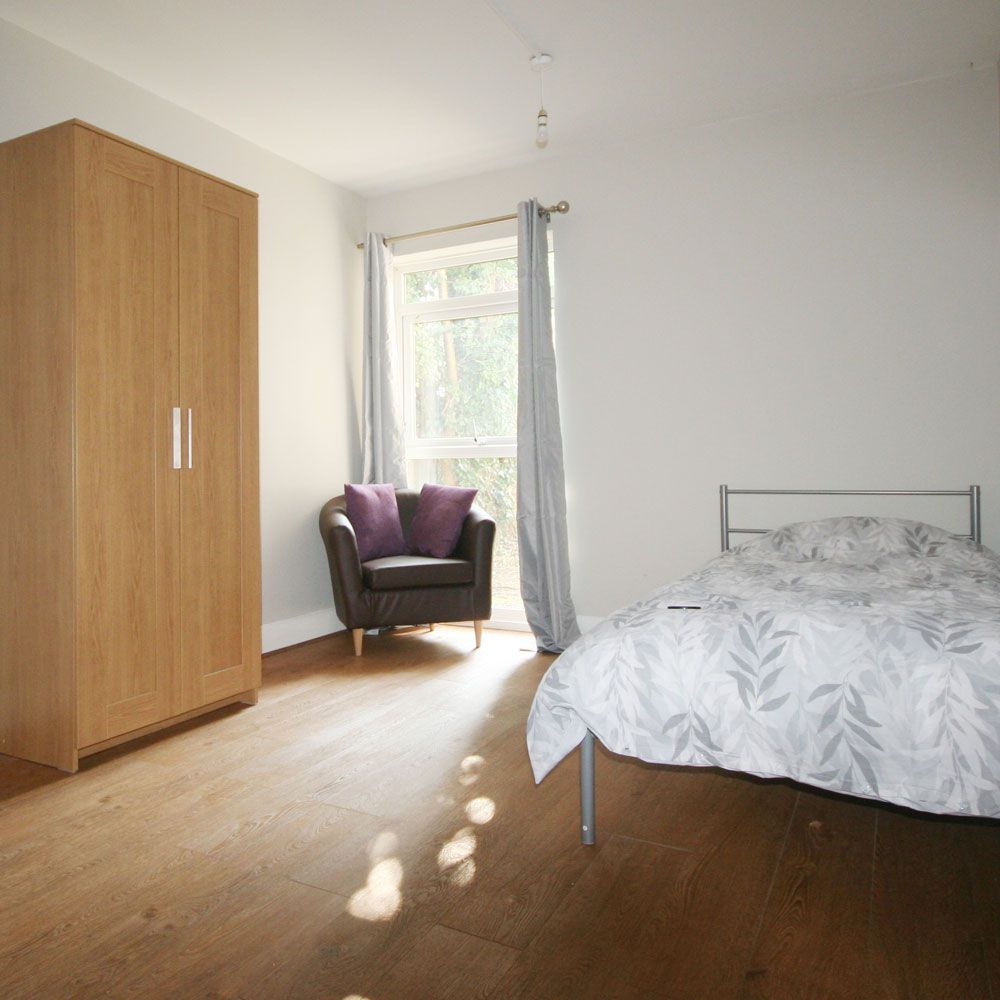
We aim to provide the greatest opportunities to our residents to work towards independent living, by building skills and confidence. We also aim to minimise the risk of relapse and re-admission by adopting the recovery model approach. Russell Hill Lodge also has an independent living flat in the grounds, and an integral bed-sit that are used as part of the transition pathway for people to re-integrate back into their local community.
Russell Hill Lodge promotes social inclusion with various activities, including positive safety management and risk reduction strategies. Residents will have an individualised recovery support plan and a dedicated key worker to support them through their care pathway.
Therapeutic activities to build skills for independence include:
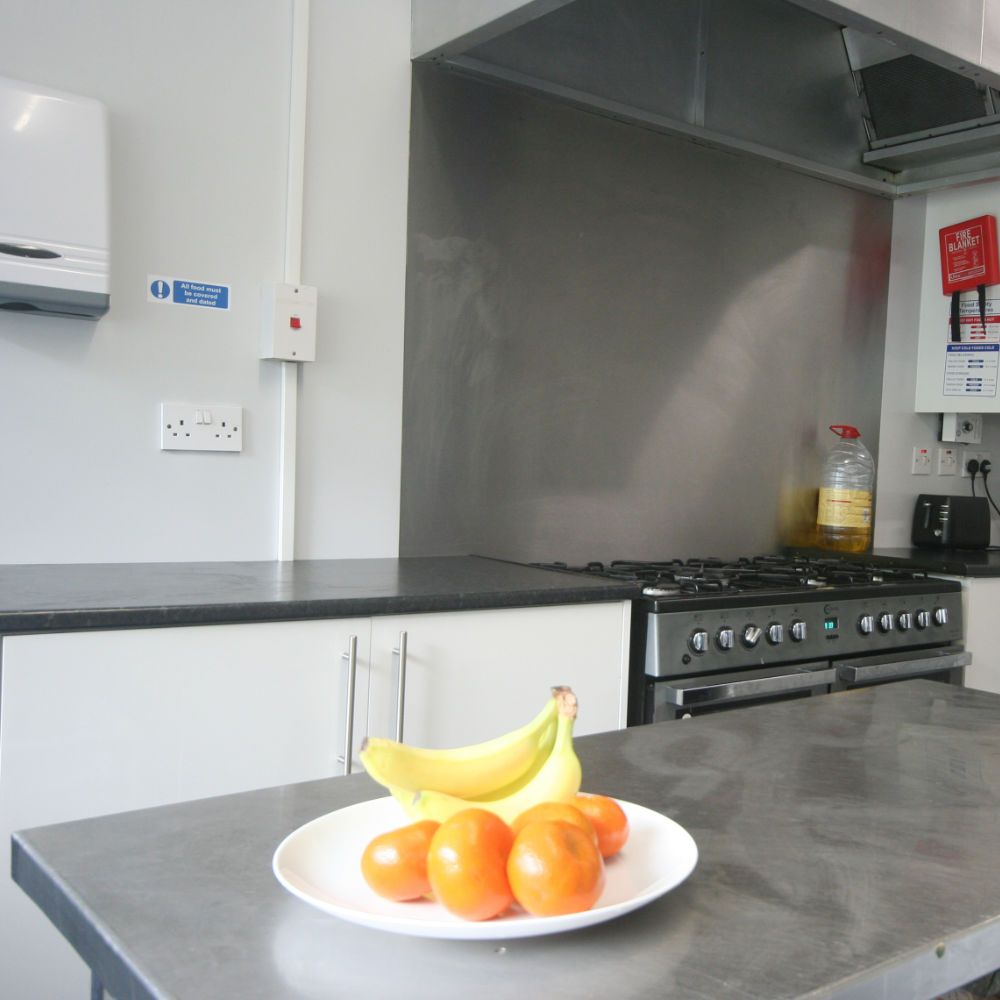
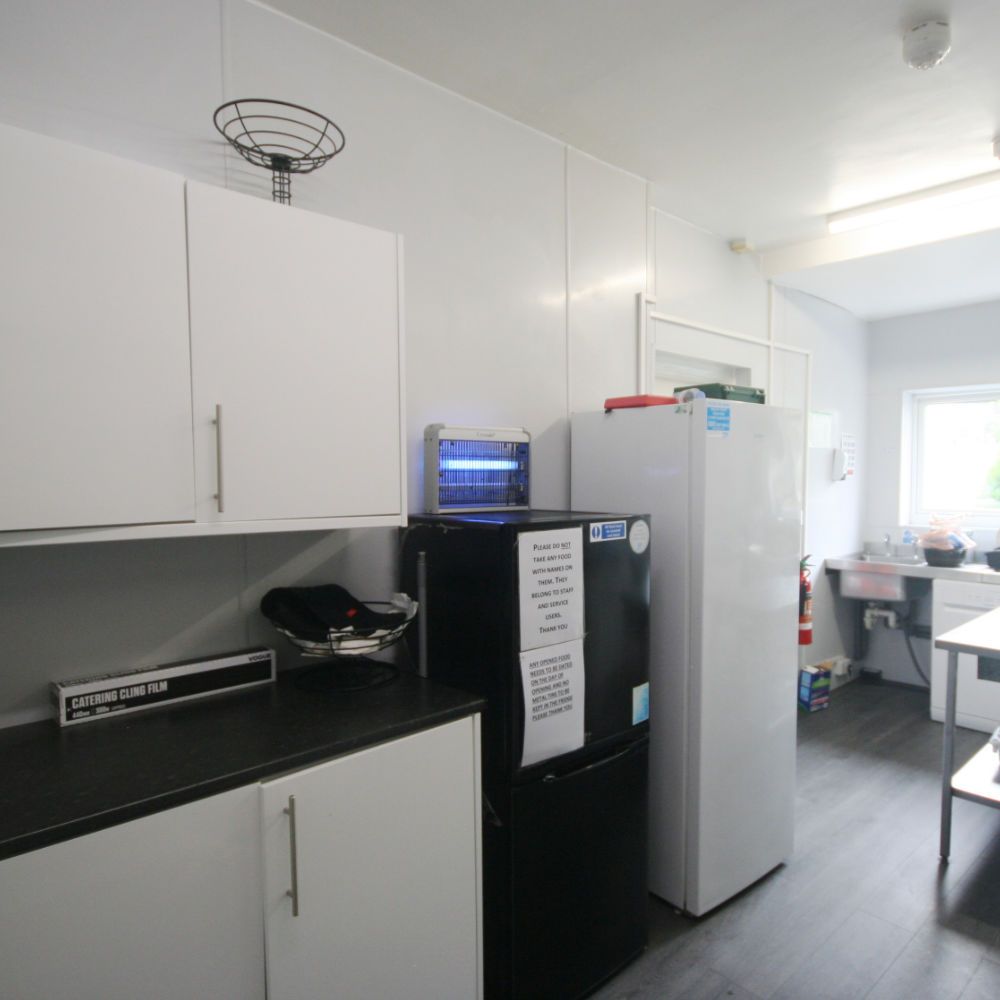
- Activities of Daily Living and use of our ADL Accessible Kitchen
- Communication and discussion groups
- Engagement with Education and Employment
- Gardening
- Music appreciation
- Arts and crafts
Our resources:
- Social inclusion groups
- Mental Health Nursing support
- Key workers
- Service user led in-house activities
- 5 star rating for food hygiene
Pathways:
Russell Hill Lodge has established a clear, proven pathway for people with long-term mental health conditions to progress to living more independently within the community. Russell Hill Lodge aims to help all our clients along a path that ultimately leads to them enjoying the same freedom, opportunities and everyday pleasures that most people take for granted.
Our pathway includes progressing from High Support Accommodation (24/7) to Medium Support Accommodation and then we can work towards Independent Living, where Russell Hill Support Workers give support to clients to live in their own homes. We work in partnership with Local Commissioning Groups to ensure that our clients’ progress along their recovery pathway is supported at every stage.
Support services:
We are experienced in tailoring support for people with mental health conditions on their path to recovery. We work with each person to identify and define their goals, to ensure we have a breadth of understanding of their life and aspirations in order that we can plan and agree support activities with them.
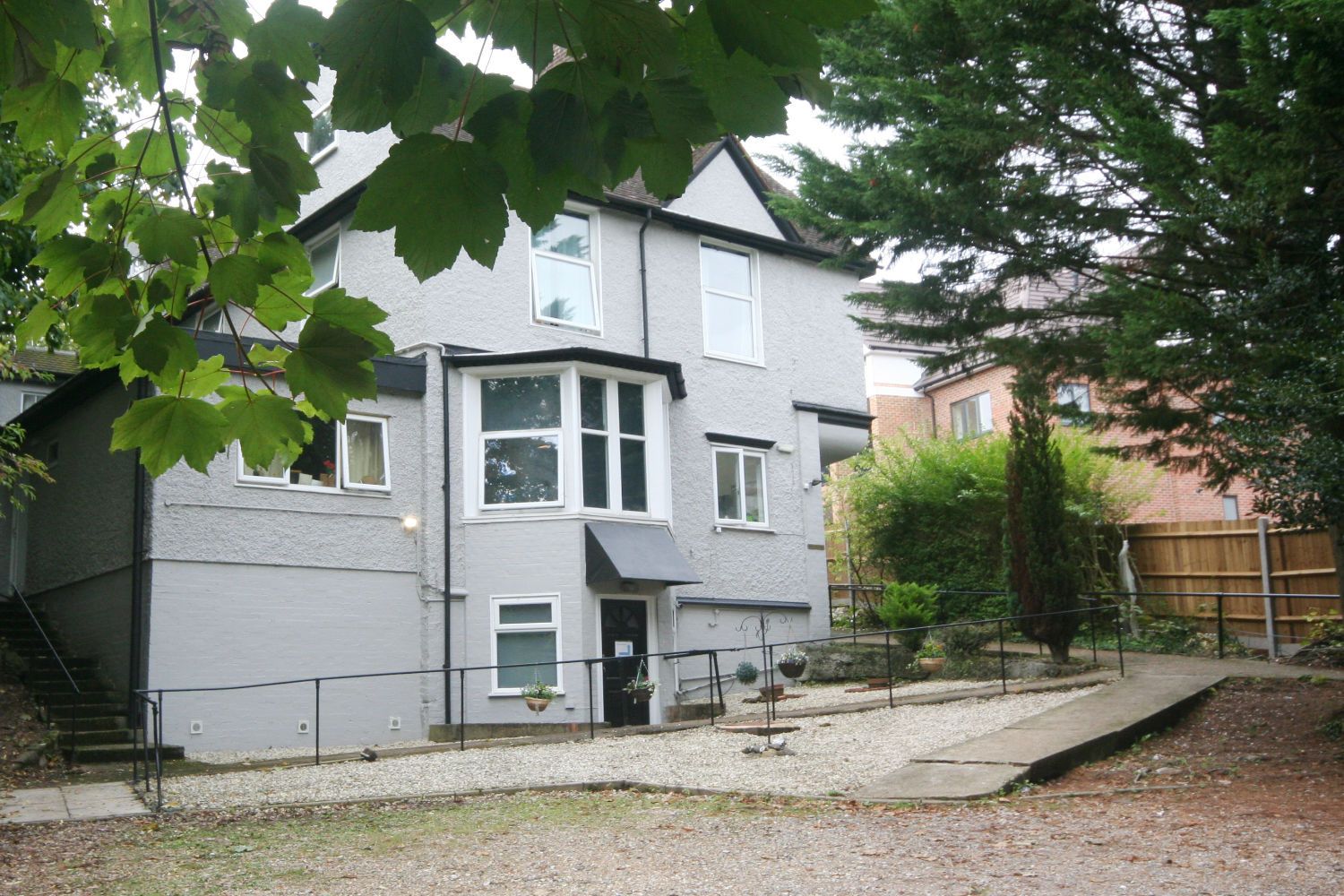
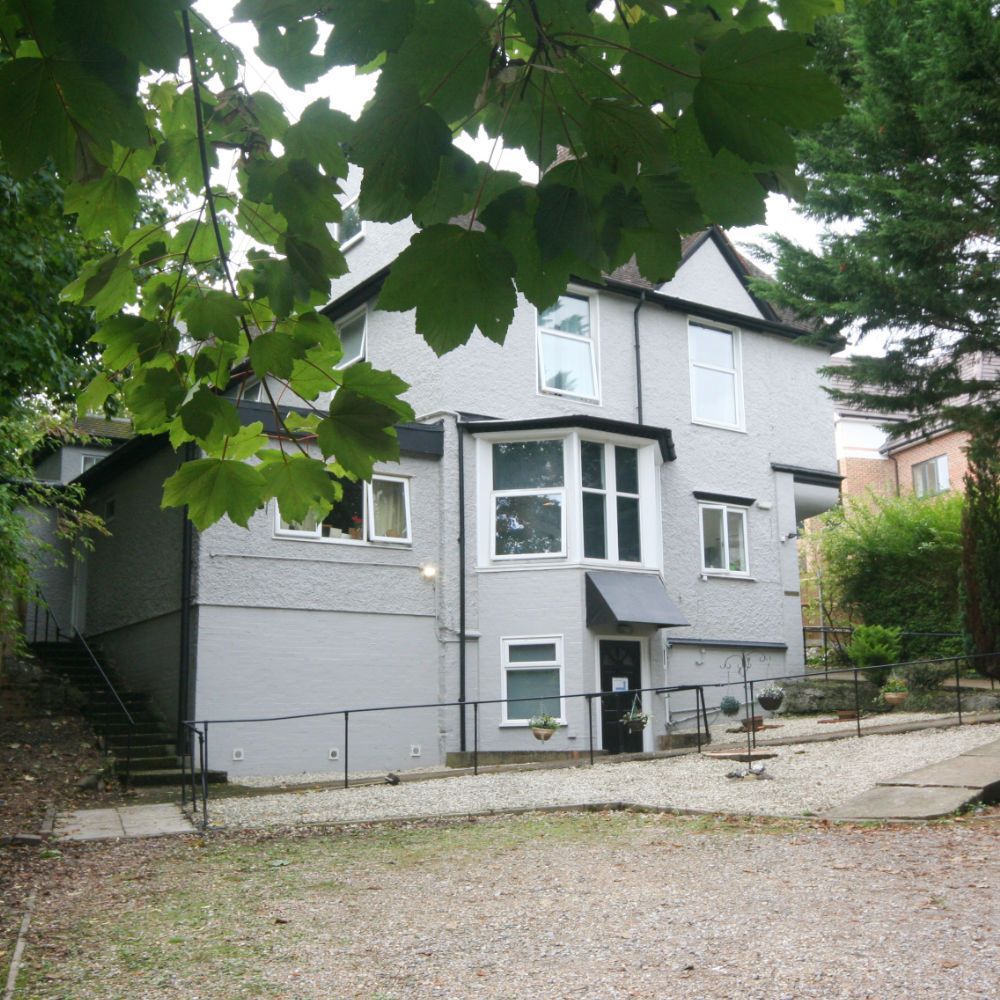
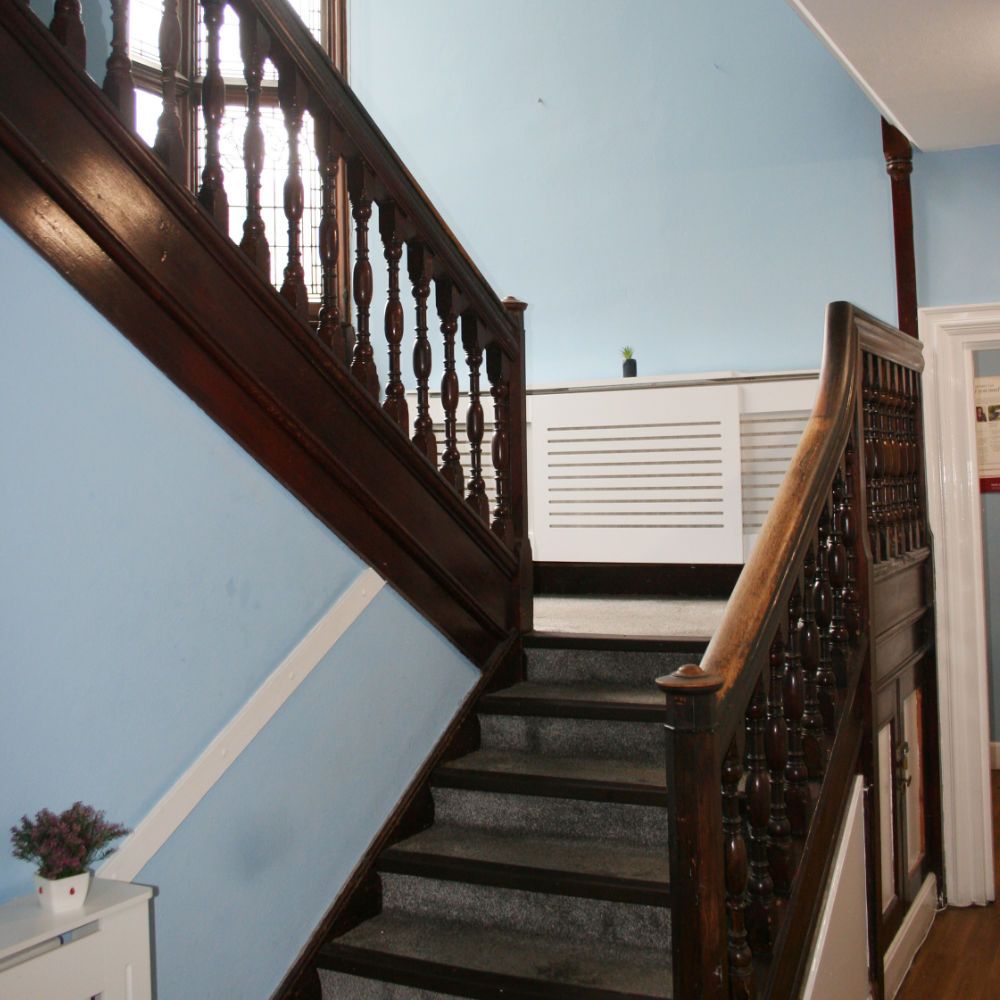
Home Specific Approach to Care
Anxiety issues
Behaviours of Concern
Self-Injurious Behaviour
Mental Health: Bipolar Disorder, Borderline Personality disorders, Depression, Schizophrenia (Catatonic, Paranoid, Unspecified.)
Substance Misuse and Addiction (Drugs and/ or Alcohol)
The table below details general health conditions that the Home has expertise in managing and providing care for.
Diabetes
Epilepsy
End of Life